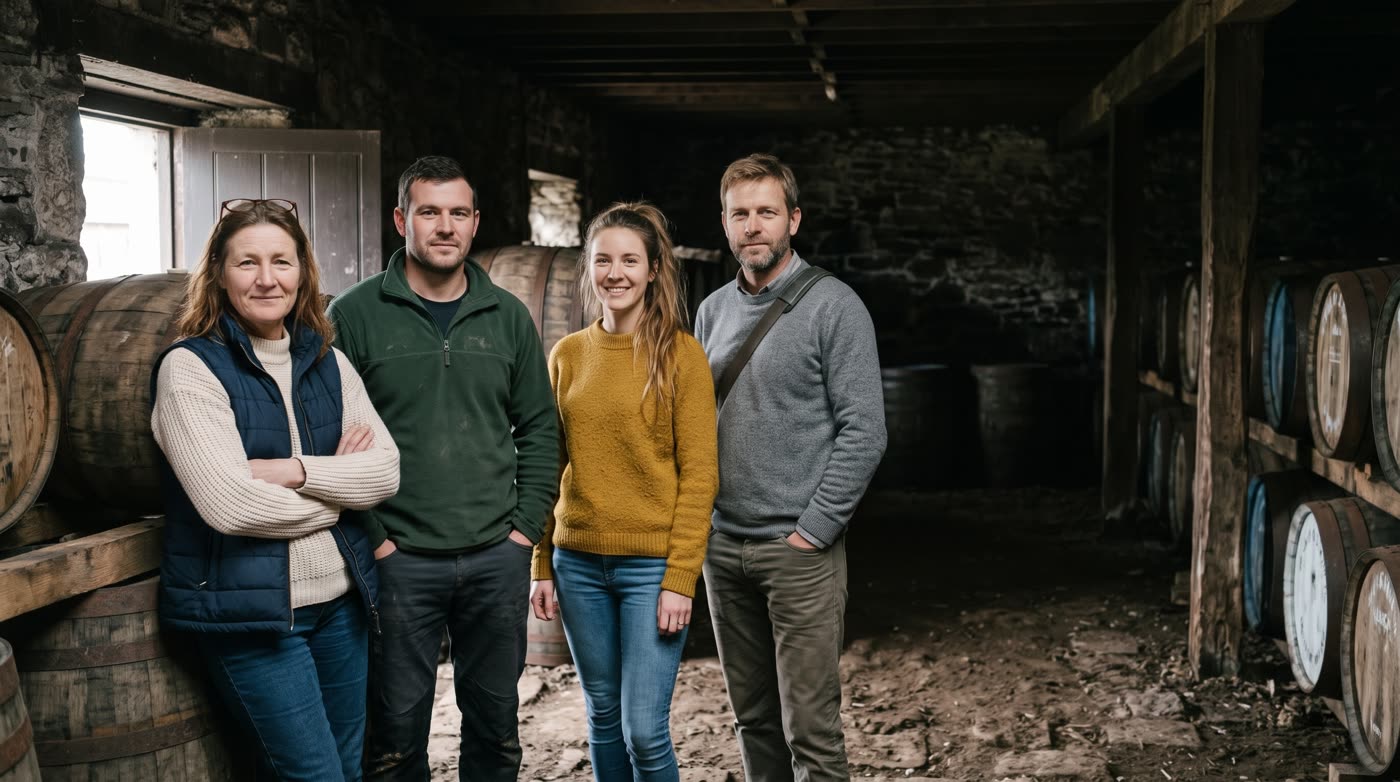
If you’ve watched Glen Damo Series 1, you’ve met a small Scottish whisky distillery that runs on email, Word documents and one spreadsheet nobody trusts. This post is about the people behind it, and what happens to them next.
Glen Damo and everyone in it are fictional. The people and places are AI-generated images, and the data is sample data I built for the series. The problems, though, are very real in a lot of businesses.
The distillery
Glen Damo sits at the head of a Highland glen: whitewashed stone buildings, a pagoda-style kiln roof, copper pot stills, and a dunnage warehouse with oak casks resting on wooden rails over an earth floor. It was founded around 2008, so its oldest casks date from 2009.
It sells a small core range (a 10 Year Old, a 12 Year Old Sherry Cask and an Oloroso Finish), a couple of limited releases, and, since episode 4, some Highland cow soft toys, hats and scarves in the shop. The big news is the Haar, an 8 year old single malt named after the sea fog that rolls up the glen, launching in April.
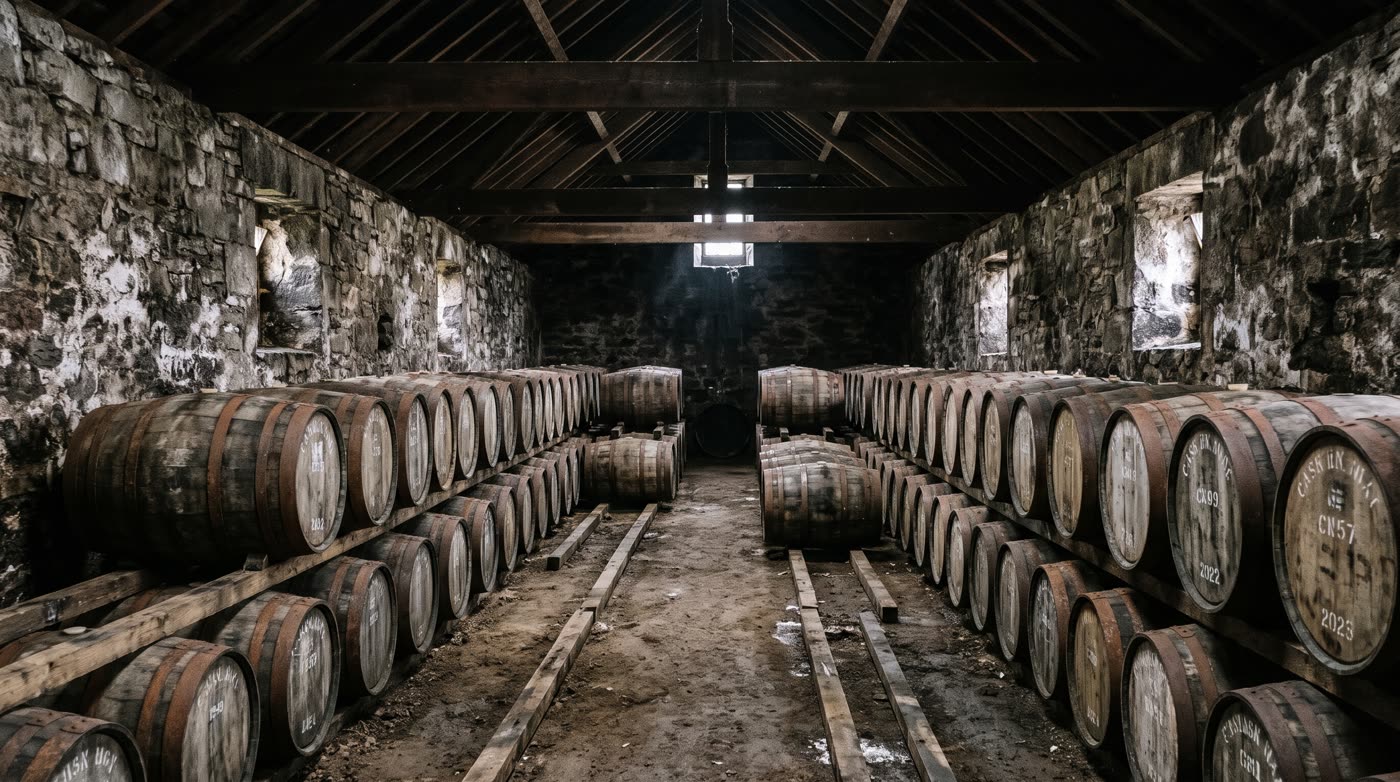
The trouble is how the place runs:
- Cask and bottling requests arrive by email and get lost.
- A release brief and a launch deck take days.
- Approvals happen in hallway chats.
- The cask spreadsheet is out of date.
That last one matters more than it sounds. Scotch has to mature in oak for at least three years, and stock held in a bonded warehouse has to be accounted for to the tax office. A spreadsheet nobody trusts is a real business risk.
Meet the team
Morag, operations manager
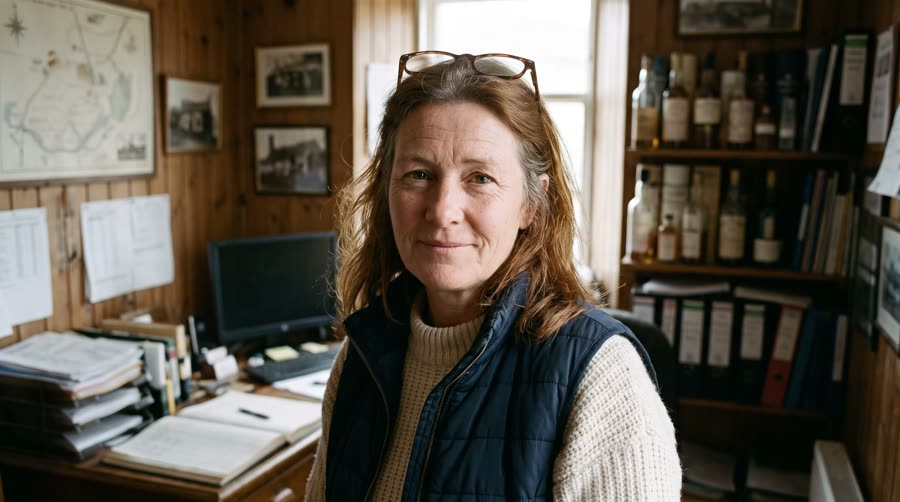
Morag keeps Glen Damo running. She approves requests, owns the price list, and in Series 2 she’ll own the Cask Register, the distillery’s record of every cask. She isn’t a developer and doesn’t want to be. She’s the no-code hero of the series: if Morag can do it, so can you.
In Series 1: she wrestles the request inbox into a table (episode 1), updates the price list the agent reads (episode 4) and hands her customer emails to Copilot Cowork (episode 5).
Callum, warehouse and cask lead
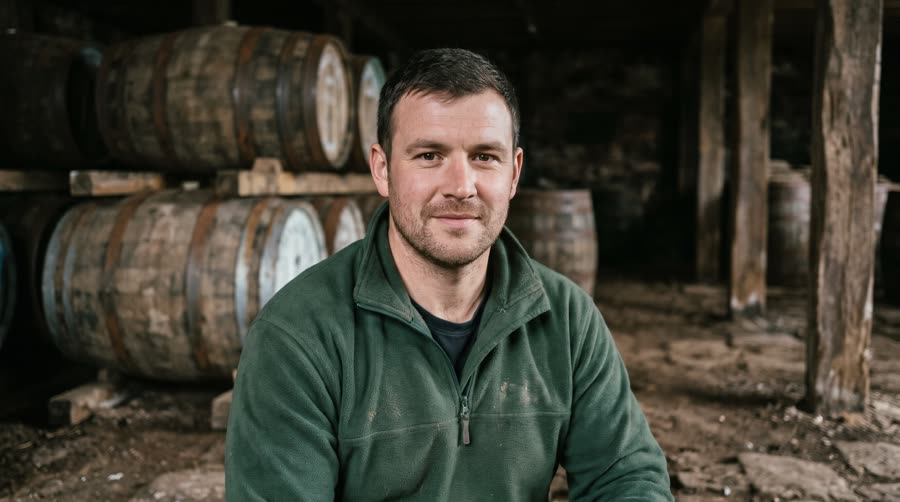
Callum works on his feet with his phone in his hand. He’s the one asking for cask samples, cask moves and bottling runs, and he’s the one sending “did anyone see my email??” a day later. He doesn’t need more email. He needs a proper system.
In Series 1: his messy request emails kick the whole series off in episode 1.
Isla, marketing
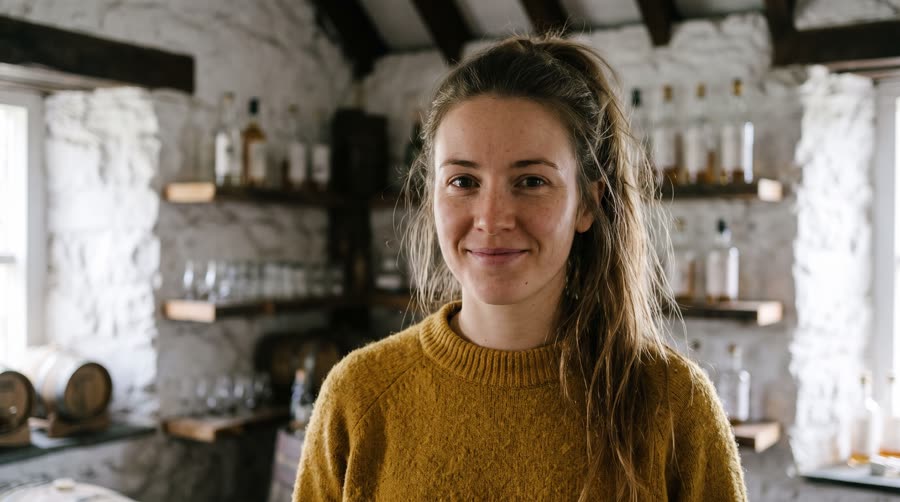
Isla has to launch the Haar: a release brief for the shop team and distributors, a launch deck, and answers to the same product questions every day.
In Series 1: she writes the brief with Copilot in Word (episode 2), builds the deck with Copilot in PowerPoint (episode 3) and builds the team’s first agent, the Glen Damo Whisky Guide (episode 4).
Fraser, IT

Fraser is the distillery’s IT person, and the pro developer of the story. He mostly stays in the background in Series 1, but he has a big part to play at the very end of Series 2.
And yes, they knit
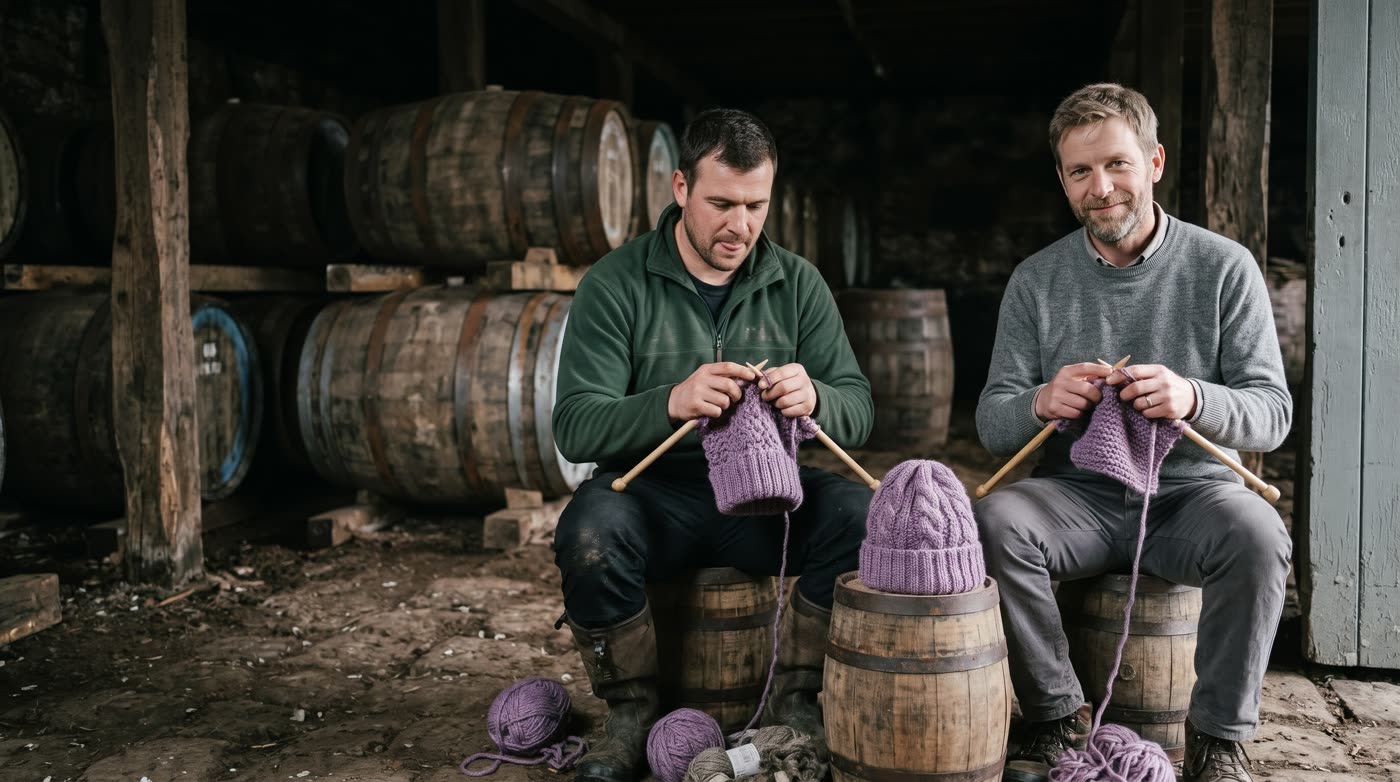
The heather-purple Glen Damo winter hats in the shop? Knitted on site by Callum and Fraser. You’ll spot them in episode 4.
What Series 2 will hold: Low Code
Series 1 showed what Copilot can do with the way Glen Damo works today. As Morag says at the end of the finale: Copilot can do the work. Series 2 stops the work arriving by email at all.
It moves into the Power Platform, and it’s still beginner-friendly: each episode tells you up front which licence it needs, and everything builds on the same story and the same data.
| Episode | What gets built | Who it’s for | Licence |
|---|---|---|---|
| 1. Your first cloud flow | A Requests list, and a flow: new request, approval to Morag, status update, Teams message to Callum | Callum and Morag | Standard |
| 2. Your first canvas app | Callum’s phone app to raise requests: a gallery, a form and a submit button that triggers the flow | Callum | Standard |
| 3. Cowork builds the Cask Register | One prompt to Copilot Cowork creates the Dataverse tables and sample data, with Morag approving each change | Morag | Microsoft 365 Copilot + Copilot Credits |
| 4. Your first model-driven app | Morag’s Cask Register app: views, a cask form with its samples, the stage process and a dashboard | Morag | Power Apps Premium |
| 5. An agent that takes action | The Cask Desk agent in Copilot Studio answers from both datasets and updates a request | The whole team | Copilot Studio access + Copilot Credits |
| 6. Finale: one app, both datasets | Morag builds the Bottling Check app on Copilot Managed Runtime from one prompt, then Fraser extends it in code | Morag and Fraser | Copilot Credits or Power Apps Premium |
Why low code, and why this order?
- Episodes 1 and 2 fix the email problem with tools most organisations already have: a SharePoint list, a cloud flow, and a simple phone app. Callum stops emailing; Morag approves from Teams instead of the corridor.
- Episodes 3 and 4 fix the spreadsheet nobody trusts. Casks, warehouses, samples and products are related data with a process behind them, which is exactly what Dataverse and a model-driven app are for. And in episode 3, Cowork builds the tables for you.
- Episode 5 goes a step further than the Series 1 agent. The Whisky Guide could only answer. The Cask Desk can also act.
- Episode 6 is the payoff, with one question running through the whole series:
Which approved bottling requests touch casks under three years old?
If any do, that whisky can’t be sold as Scotch. In the finale, Morag builds a decision app across the requests and the Cask Register without writing code, on Copilot Managed Runtime. Then Fraser clones the very same app, uses a coding agent to add a “young cask” check, and pushes it back. Morag refreshes, and the problem casks light up.
That’s the message I want to end on: no-code makers and pro developers can now work on the same app. It’s the whole spectrum, from no code to low code to pro code, in one story.
Learn it properly: the Glen Damo course
The videos are short on purpose: one idea, five minutes. But a lot of you have asked for something you can follow along with, so I’m turning Glen Damo into a course with:
- the sample data: the request emails, the brief, the price list, the handbook and the Cask Register, ready to load into your own tenant
- step-by-step lab guides for every episode, Series 1 and Series 2
- checkpoints and quizzes to test what you’ve learned
- the bits that didn’t fit in five minutes: the gotchas, and the questions you’ll ask in your own organisation
Coming soon: the Glen Damo course
Want the course when it opens?
I'm turning the series into a course: the same Glen Damo story, plus the sample emails, documents, price list and data so you can build every episode yourself, step-by-step lab guides, and checkpoints to test what you've learned.
Register your interest →No spam. One email when the course opens, and you can unsubscribe at any time.
In the meantime, catch up on Series 1: Learn Microsoft 365 Copilot With No Code or watch the playlist on YouTube, and subscribe so you don’t miss Series 2.